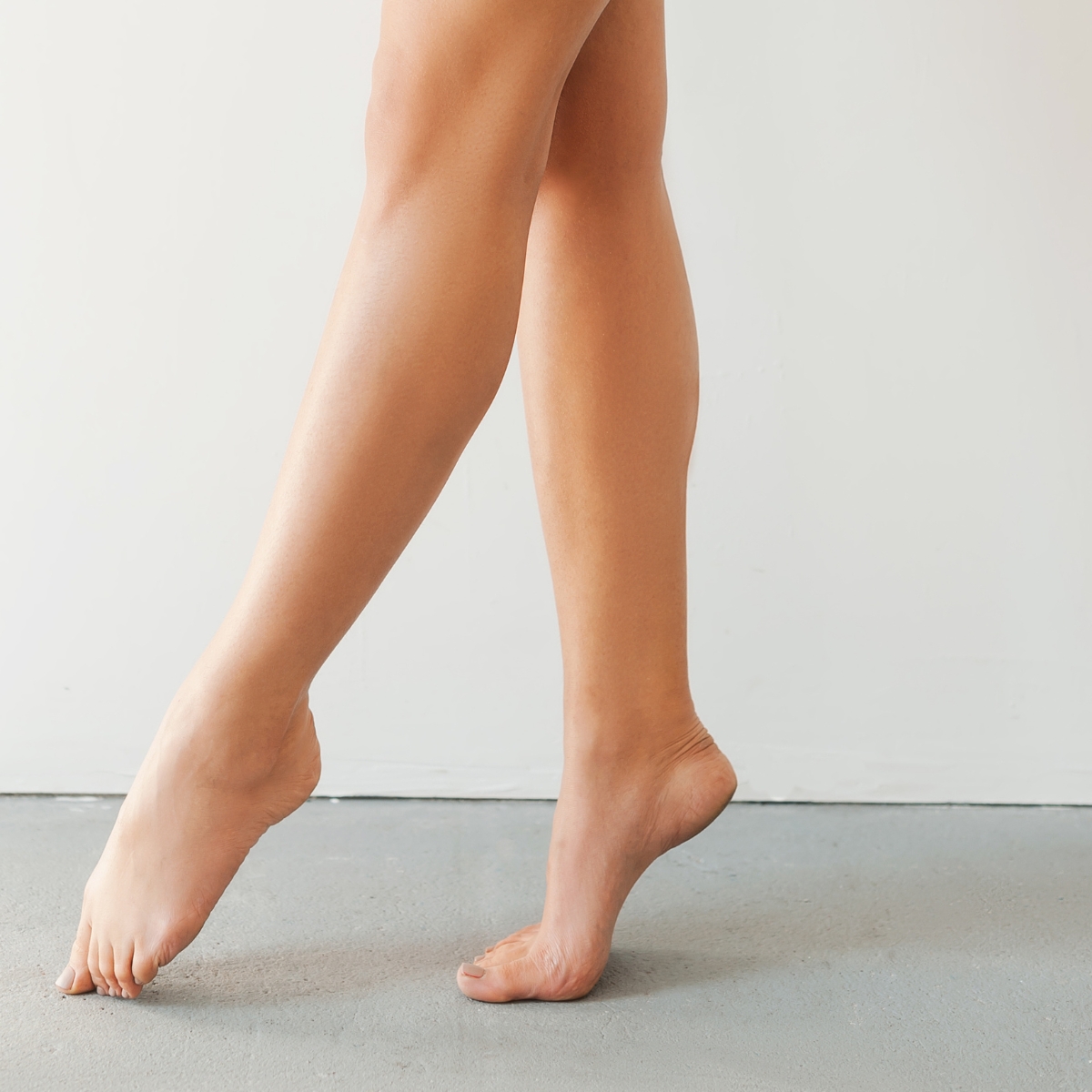
Sports and Limb Lengthening: When Can You Resume Physical Activity?
Date posted: March 26, 2026Limb lengthening is a process that requires time, patience, and proper recovery. For many patients, one of the most important questions is when they will be able to resume physical activity and sports. The good news is that, with properly planned treatment and rehabilitation, a return to sports is possible—but it must be done gradually and under the supervision of specialists.
The process of returning to fitness and physical activity
After the procedure, the body needs time to rebuild not only the bone but also muscle strength and the overall function of the musculoskeletal system. During limb lengthening, muscles, tendons, and joints undergo changes, which is why systematic rehabilitation is crucial. It is this process that prepares the patient for a safe return to physical activity.
In the first stage, the most important goal is to regain basic mobility and stability. The patient gradually transitions from using a walker and crutches to greater independence. Only after achieving sufficient muscle strength and range of motion is it possible to begin more advanced forms of activity.
With intensive and properly managed rehabilitation, a return to sports may be possible as early as six months after surgery. However, it is important to remember that this varies from person to person and always depends on the treating physician’s decision.
A gradual return to sports – the stages
The return to physical activity is done in stages to minimize the risk of overexertion and injury. Once they are cleared to stop using crutches, many patients can begin light jogging after about a month. This is an important milestone, indicating that the body is ready for more strenuous activity.
You can usually start adding other sports about a month after you begin running. However, it is crucial to gradually increase the intensity of your workouts and closely monitor how your body responds. Returning to full activity too quickly can prolong the recovery process, which is why it is so important to follow the recommendations of specialists.
The Role of Rehabilitation and Functional Training
A properly tailored rehabilitation program is crucial for speeding up a return to sports and improving treatment outcomes. At the Paley European Institute, we use a specialized functional training protocol following limb lengthening that focuses on rebuilding strength, coordination, and stability.
This type of training not only allows patients to resume physical activity more quickly, but also reduces the risk of injury and improves overall fitness. As a result, patients can safely return to their favorite sports and, in many cases, achieve a level of activity comparable to that before the procedure.
Check out the other posts

The Lengthening Center on “Dzień Dobry TVN”! A segment on leg lengthening was aired
How can I increase my height?