You can be taller!
Paley European
Lengthening Center
Gain up to 1 mm a day—your path to the height you've always wanted.
Thanks to an innovative limb-lengthening method using the PRECICE nail, which allows you to gain up to 13 cm in additional height, you enjoy maximum comfort, discretion, and aesthetic results.
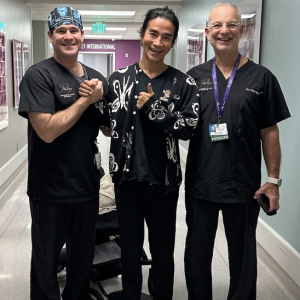
The entire process is led by a team of two experienced doctors,
, providing you with full support, while the physical therapy team
guarantees assistance at every stage of your journey.
Precision the world trusts.
We are part of the global Paley Institute — a leader in limb correction and lengthening. We have successfully performed 17,000 limb lengthening procedures at our Institutes since 1986
(Poland, USA, UAE).
Our experience isn't just about statistics—it's about hundreds of lives transformed.
: Orthopedic surgeries performed each year
We use magnetic nailtechnology, a fully discreet, minimally invasive lengthening method. This method is completely invisible. Understanding the diverse goals and capabilities of our patients, we also perform tibial lengthening using the LON (Lengthening Over Nail) method. This hybrid solution combines an intramedullary nail with a temporary external fixator.
Operational growth acceleration

's methods for limb lengthening
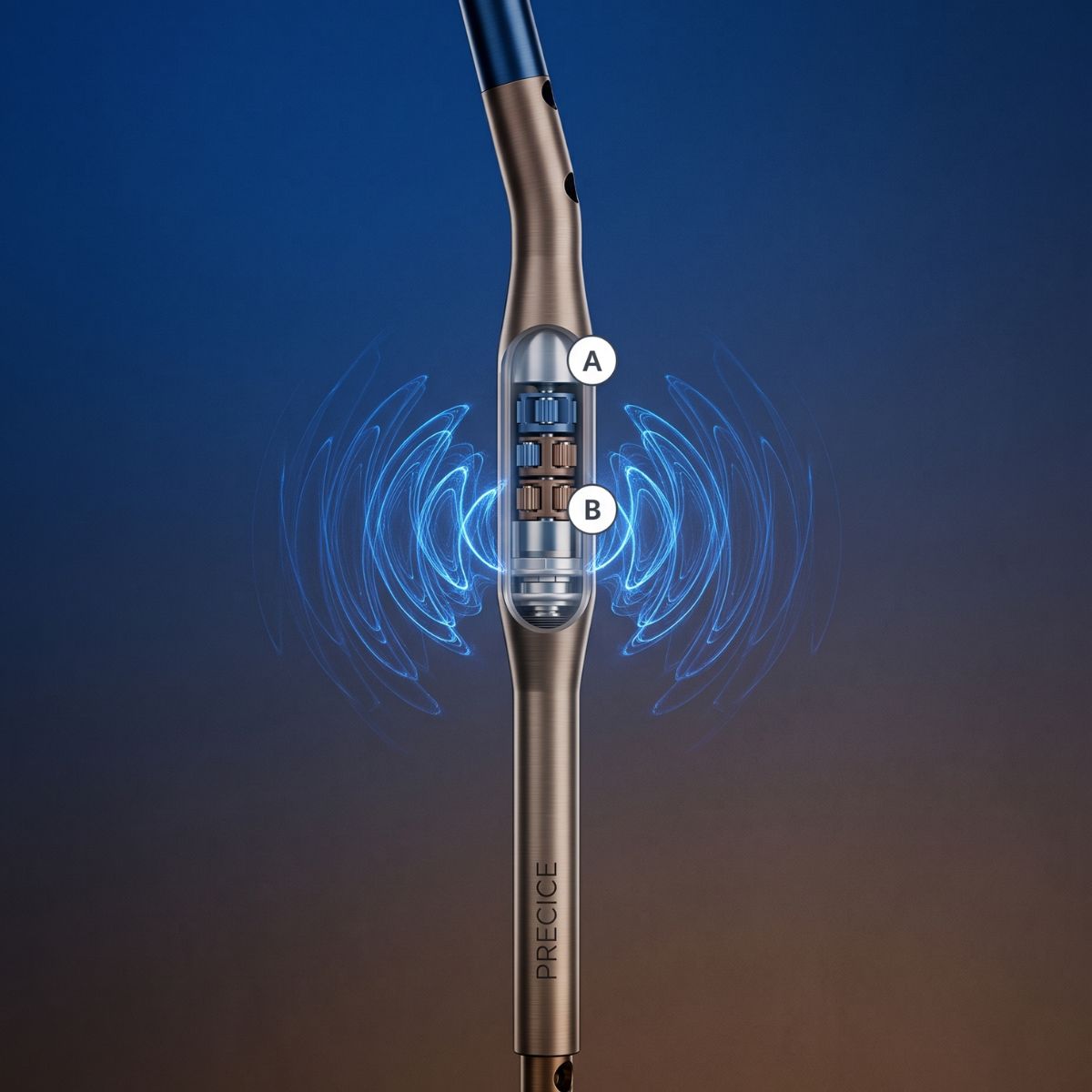
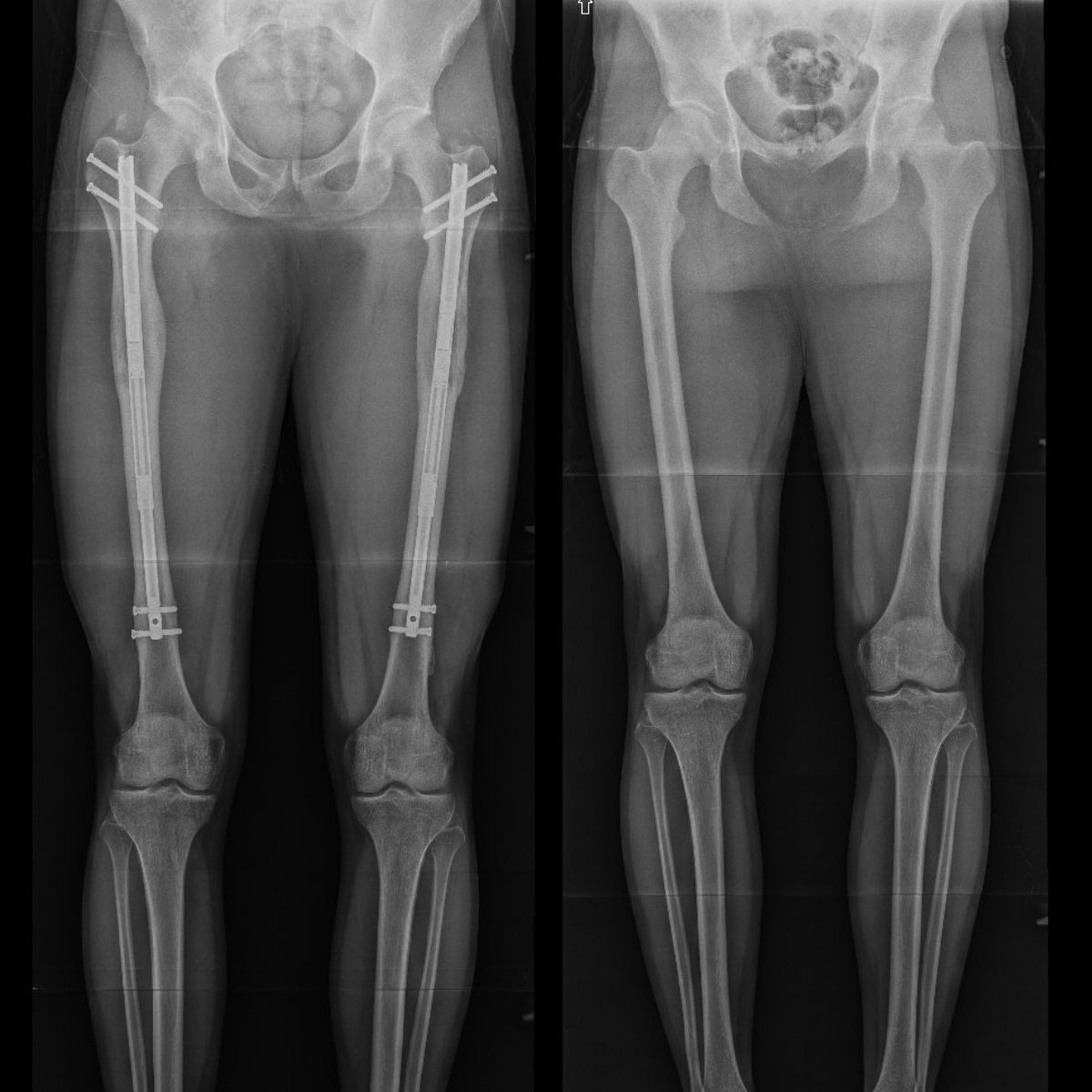
PRECICE - an advanced and safest method of limb lengthening. The process relies on a smart, magnetically controlled nail placed inside the bone.
LON - (intramedullary nail lengthening) combines the use of a classic external fixator with an internal nail, allowing the stabilizer to be removed much sooner.

Our team consists of leading experts who specialize in the treatment patients with rare diseases, which translates into unique expertise in performing the most complex orthopedic procedures. We possess the knowledge necessary to ensure the highest standards of safety and effectiveness in the limb-lengthening process, regardless of the method chosen.

rehabilitation
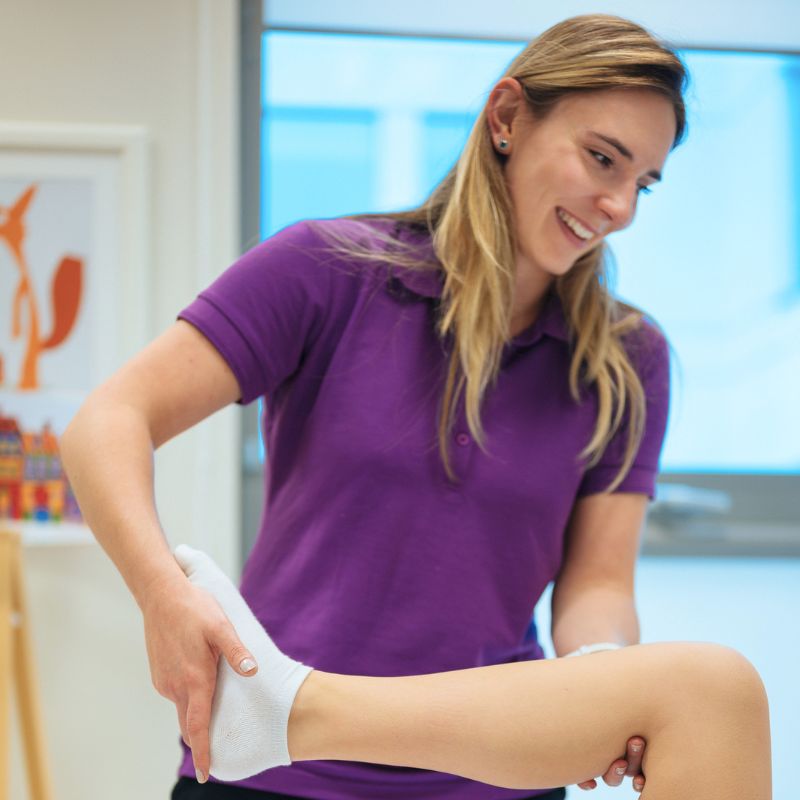
We offer an intensive physical therapy program held five times a week under the supervision of a team specialized in limb lengthening procedures. Our clinic has a dedicated on-site rehabilitation ward, which is crucial for maintaining muscle strength
and flexibility, as well as preventing complications such as contractures or joint stiffness.
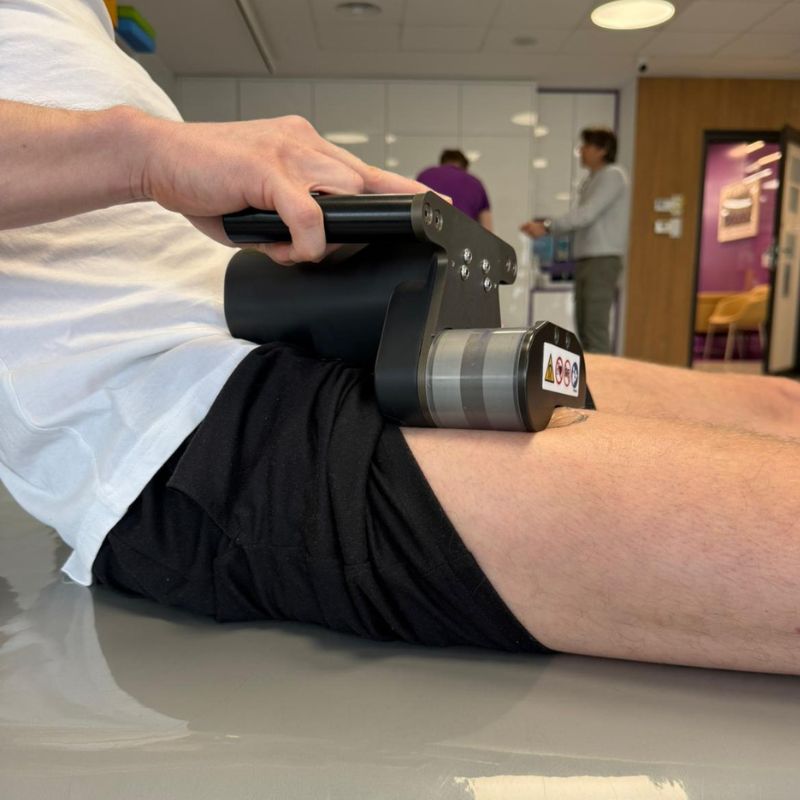
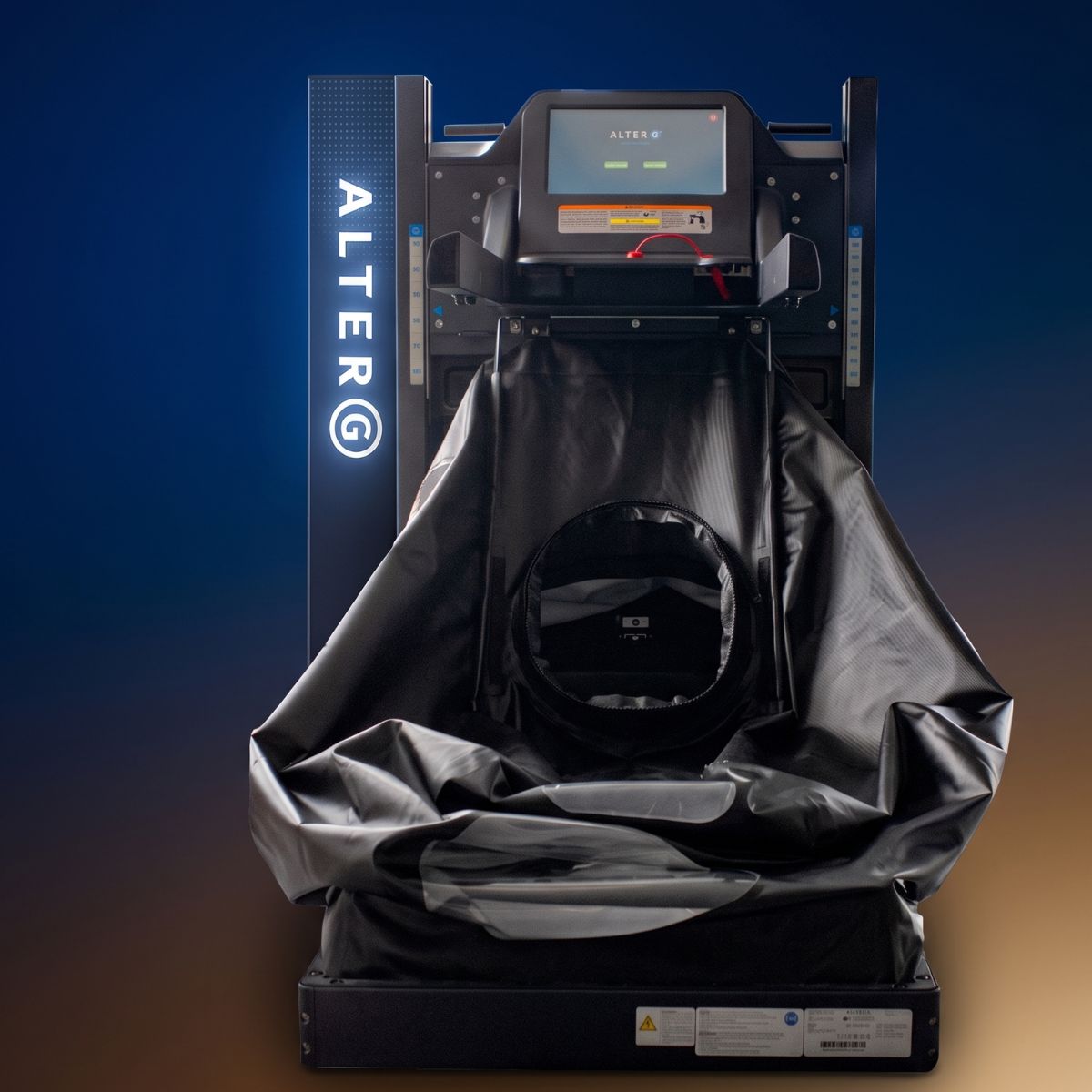
In the rehabilitation process , we use an anti-gravity treadmill, a Pilates reformer
, and a normobaric chamber to maximize the speed of regeneration and mineralization of new bone.

care
Two doctors are always overseeing your treatment two doctors. Private care and full support at every stage of your journey are guaranteed by physical therapists, a psychologist, a dietitian, and patient care provided by
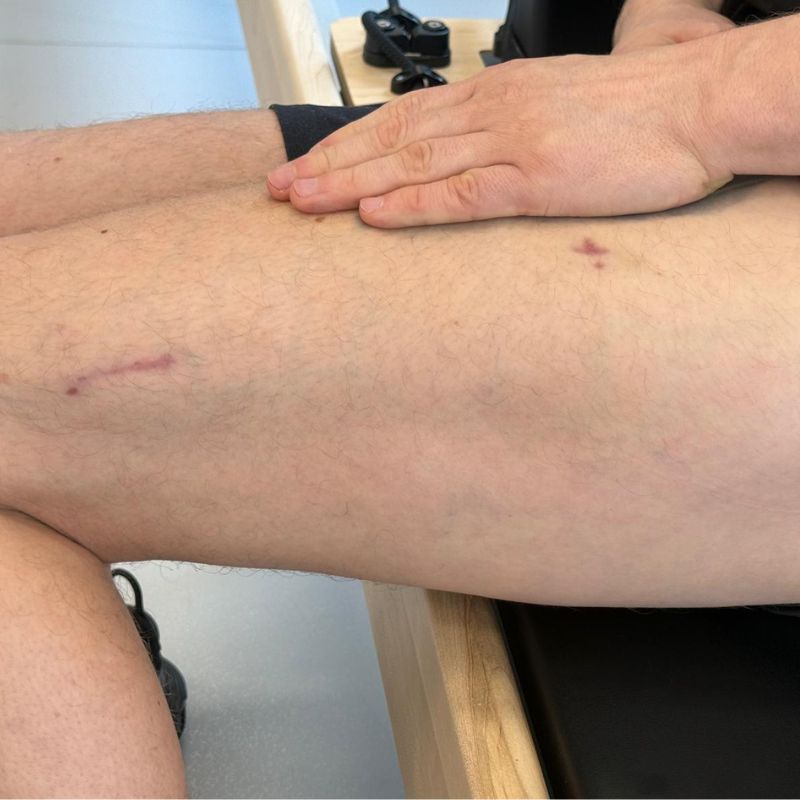
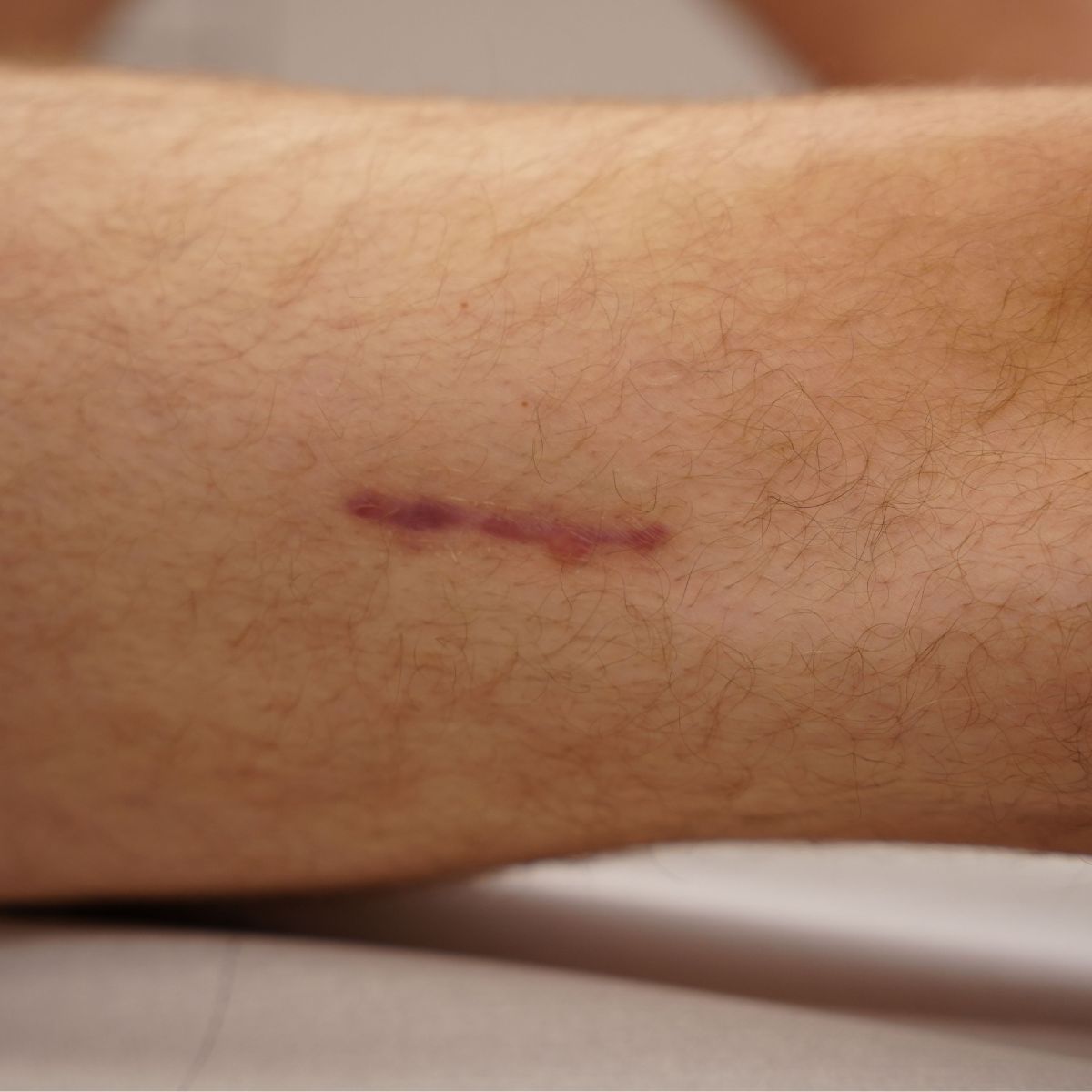
(Ms. Alexandra). We provide catering, constant monitoring, and direct contact with staff, which allows for an immediate response to any potential infections and the rapid implementation of treatment. The program is complemented by scar therapy and sessions in a normobaric chamber, which guarantee an aesthetic and fully functional final result.

's privacy and discretion
We respect our patients’ comfort, which is why we provide a separate, discreet entrance to our facility, allowing you to maintain complete anonymity during your visits. We understand that the limb-lengthening process is a personal journey, which is why the entire treatment and rehabilitation process takes place in an atmosphere of the highest professionalism
and respect for privacy. Our procedures are designed so that you can focus solely on your recovery in a safe and confidential environment.
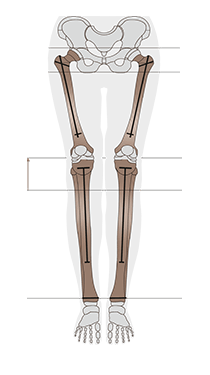
Strategy for operational extension
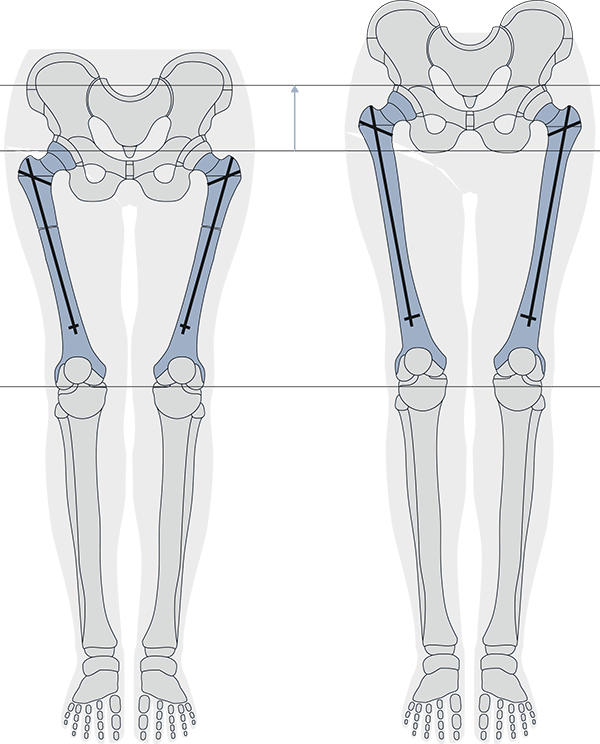
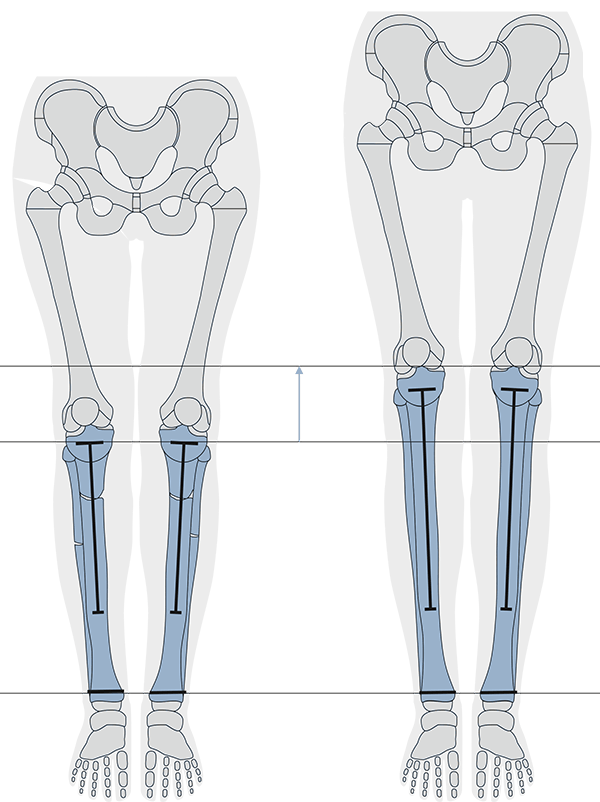
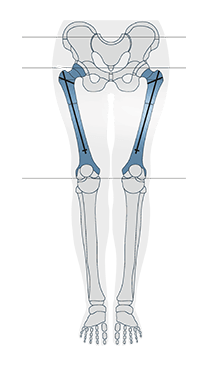
- PRECICE
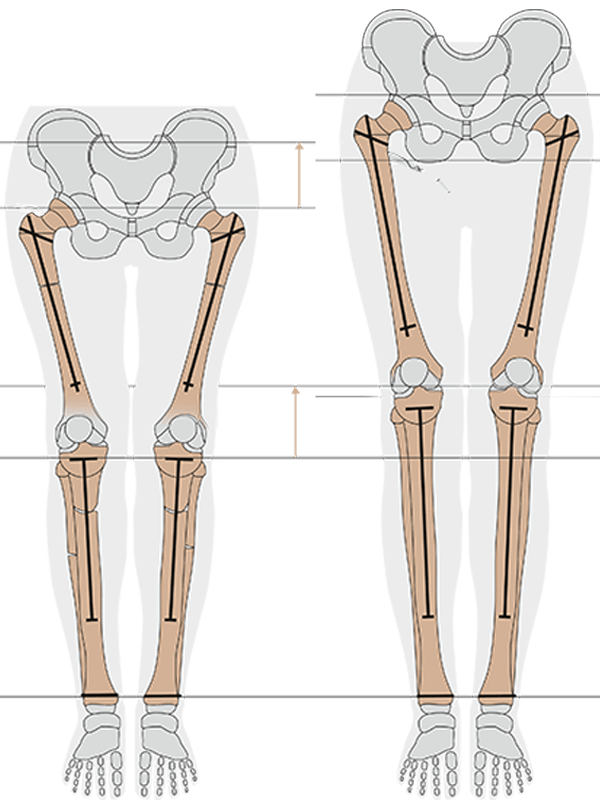
's two-stage lengthening of the femur and tibia - PRECICE
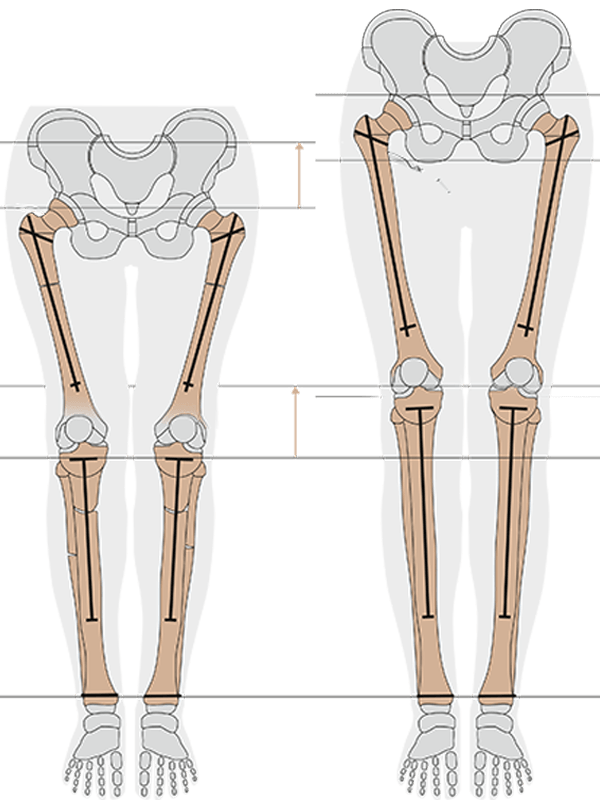
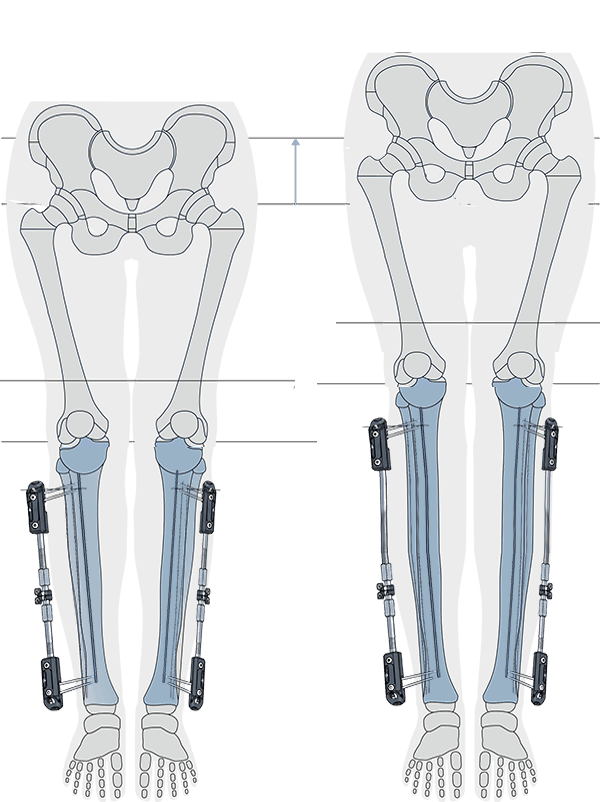
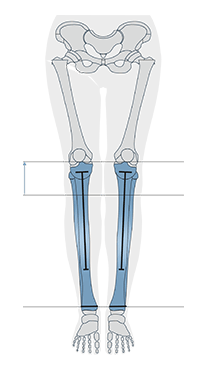
, PRECICE) and tibia (LON)
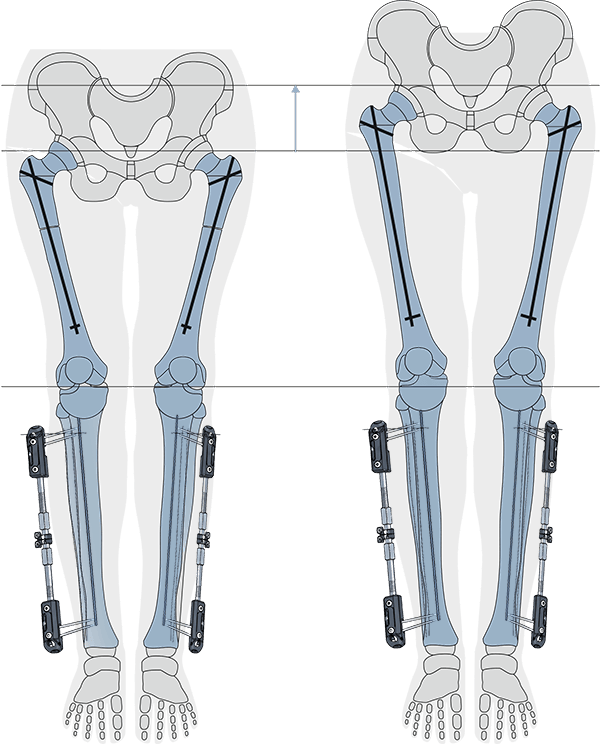
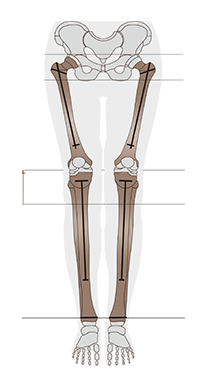
Strategy for operational extension
 View the price list
's two-stage lengthening of the femur and tibia
 View the price list
The treatment planning process
From the Ilizarov apparatus, through LON, to PRECICE technology
Although modern limb lengthening began over 70 years ago with Ilizarov’s pioneering method using external fixators, orthopedic surgery has undergone a tremendous evolution since then.
- The Ilizarov Method: A pioneering technique that uses external ring frames to stabilize the bone using wires and screws attached to the outside of the body.
- The LON(Lengthening Over a Nail) method: A hybrid technique in which an internal metal nail is used in conjunction with an external fixator. This allows for much faster removal of the external fixator, but is associated with a higher risk of medullary canal infection.
- The PRECICE System: A state-of-the-art system that uses magnetic telescopic nails placed entirely within the bone. It eliminates the need for external fixators, offering patients maximum comfort, discretion, and the lowest risk of infection.
Limb Lengthening - Surgical Height Increase
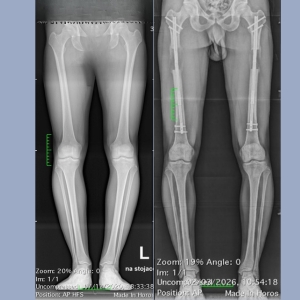
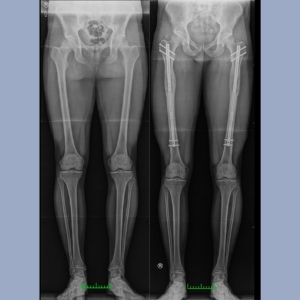
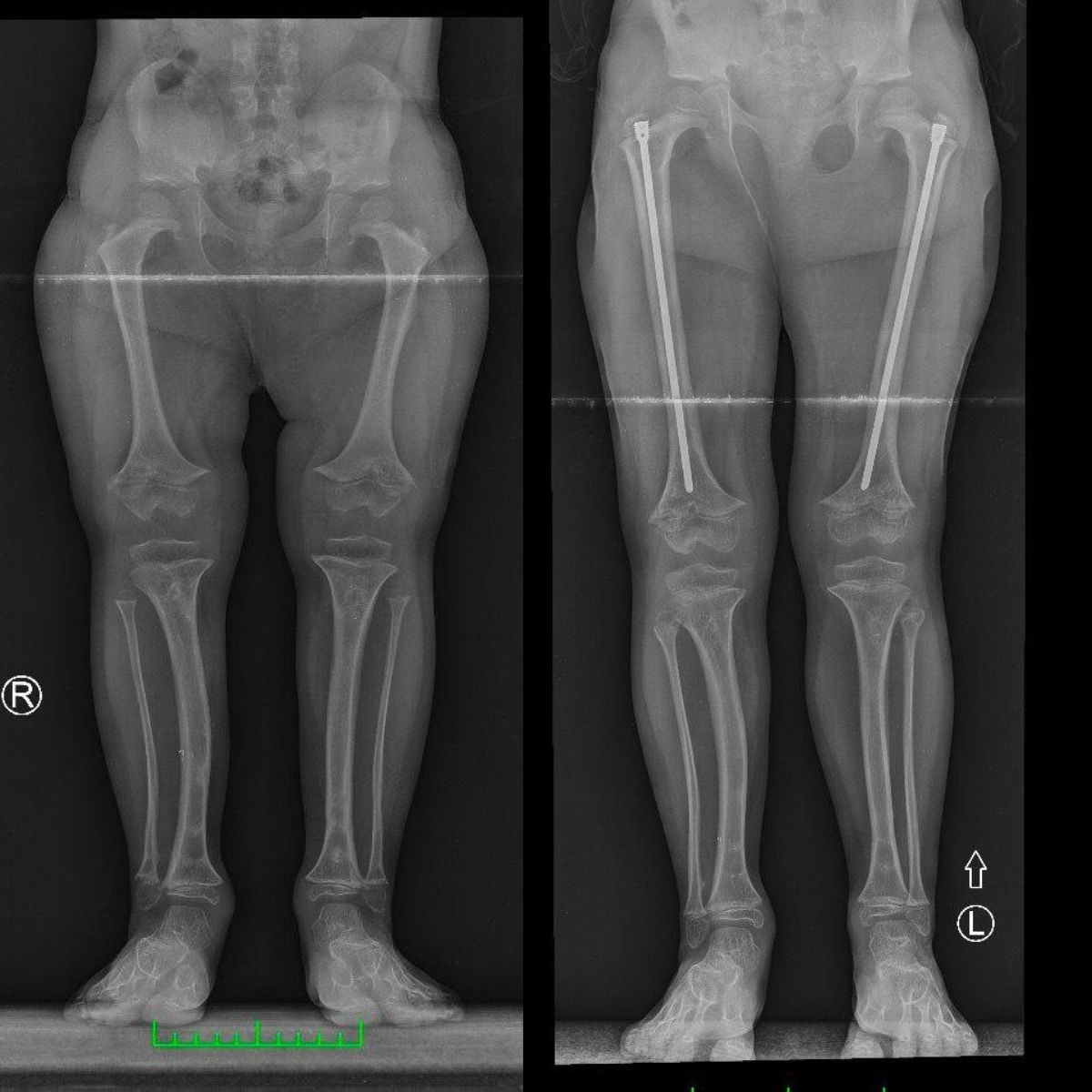
Limb lengthening is an advanced orthopedic procedure that allows for the controlled increase in the length of the leg bones. The process begins with a consultation, X-ray diagnostics, and a gait analysis. Based on the results, the doctor assesses the patient’s health and determines the possible scope of treatment.
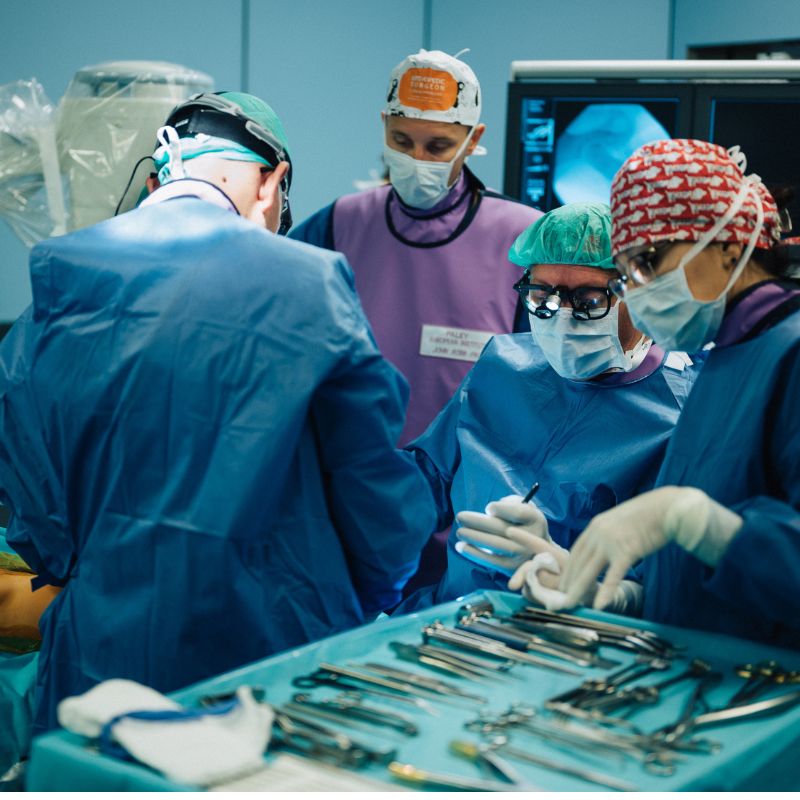
Leg-lengthening surgery involves cutting the selected bone, stabilizing it, and gradually separating the bone segments. New bone tissue forms in the resulting space. At the Paley European Lengthening Center, we use, among other things, PRECICE internal magnetic nails and the LON method, which combines an intramedullary nail with a temporary external stabilizer.
Lower limb bone lengthening surgery may involve the thigh, lower leg, or both segments, depending on an individually tailored strategy. Femur lengthening allows for an increase of up to 8 cm, while tibia lengthening allows for an increase of up to 5 cm. However, safe leg lengthening depends on body structure, tissue elasticity, and the condition of the bones and joints.
Lower limb lengthening is a process that involves surgery, gradual bone lengthening, bone mineralization, and rehabilitation. Systematic physical therapy helps maintain joint mobility, muscle strength, and a normal gait pattern.
Leg-lengthening surgery, like any surgical procedure, carries a risk of complications. Therefore, the decision to undergo treatment should be made after consulting with a specialist and discussing the benefits, limitations, and potential risks. If you are interested in leg lengthening, schedule a consultation to learn about your treatment options.
Frequently Asked Questions
What is limb lengthening?
Limb lengthening is a multi-stage orthopedic treatment. During the procedure, the surgeon cuts the bone, stabilizes it with an appropriate implant, and then gradually increases the distance between the bone segments. The body forms new bone tissue in the resulting space.
How is leg-lengthening surgery performed?
Leg-lengthening surgery involves cutting the selected bone and inserting a system that allows for its controlled lengthening. After the procedure, the distraction phase begins—that is, the gradual separation of the bone segments—followed by a period of mineralization, healing, and remodeling of the new tissue.
What is the eligibility criteria for lower limb lengthening?
Lower limb lengthening requires a thorough medical evaluation. This includes a medical history review, an orthopedic examination, X-ray diagnostics, and a gait analysis. The doctor assesses the condition of the bones and joints, range of motion, overall health, the patient’s motivation, and the feasibility of safely carrying out the planned treatment.
How does femur lengthening differ from tibia lengthening?
Femur lengthening and tibia lengthening involve different segments of the limb; therefore, they may differ in the scope of the procedure, the pace of recovery, and the course of rehabilitation. When treating the tibia, it is also necessary to take appropriate measures regarding the fibula.
How much can the legs be lengthened through surgery?
The extent to which the legs can be lengthened depends on the segment being treated, the method chosen, and the patient’s individual anatomical conditions. The center indicates that the femur can be lengthened by up to 8 cm and the tibia by up to 5 cm. The final and safe range is always determined by the doctor after conducting the necessary examinations.
Does leg-lengthening surgery require rehabilitation?
Yes. Leg-lengthening surgery is just one stage of the entire process. Regular physical therapy helps maintain joint mobility, muscle flexibility, and a normal gait pattern. Rehabilitation is also essential to reduce the risk of contractures, joint stiffness, and loss of muscle strength.
Does bone lengthening carry a risk of complications?
Yes. Lower limb lengthening surgery, like any surgical procedure, carries risks. Possible complications include, among others, infections, thrombosis, muscle contractures, nerve damage, and delayed or abnormal bone union. Your doctor will discuss your individual risks during your consultation.
Photo gallery



Have any questions?
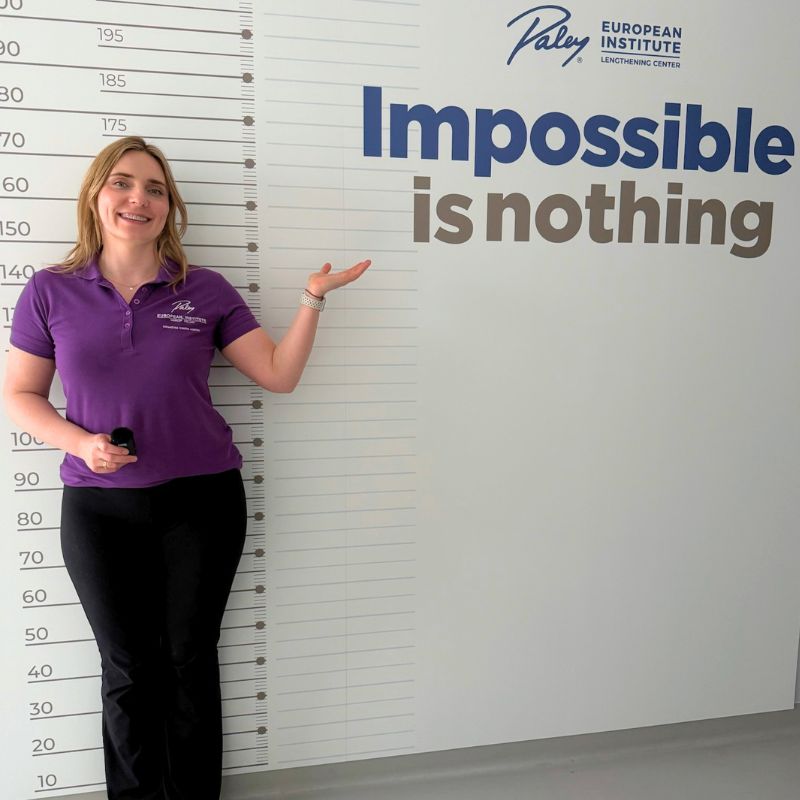
Email Ola!
Our consultant is here to help you every step of the way