Do the pins need to be removed after limb lengthening?
Date posted: March 26, 2026Limb lengthening is a process that consists of several stages and does not end once the target bone length is achieved. One of its natural and final steps is the removal of the intramedullary nails used during treatment. This is a topic that often raises questions among patients—primarily whether such a procedure is necessary and when it should be performed.
Is it necessary to remove the nails?
The answer is simple— yes, the screws should be removed. Although implants are made of durable and safe materials, such as titanium or surgical steel, they are not intended to remain in the body permanently. Over time, they may release small amounts of metal ions, and in the case of more complex designs, there is also the issue of wear and tear on mechanical components.
Therefore, in clinical practice, the removal of the nails is considered a standard step in the treatment process, allowing the entire limb-lengthening procedure to be safely completed.
Modern nails – why does it matter?
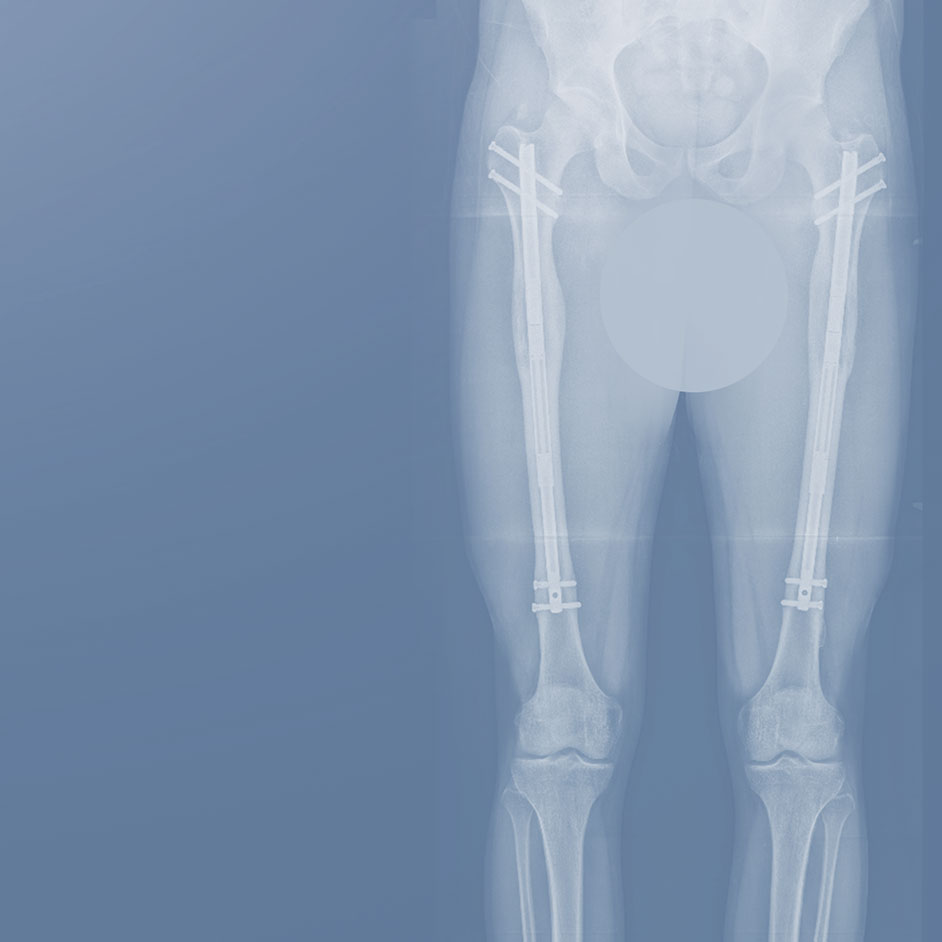
In the case of modern systems, such as magnetic nails (e.g., PRECICE), the issue of implant removal is particularly important. These types of devices contain a mechanism based on a rare-earth magnet, which is located in a sealed chamber inside the nail.
Although this solution is safe, there is a theoretical risk that the chamber’s seal could fail after many years. In such a situation, the magnet could come into contact with bodily fluids. That is why it is recommended not to leave the implant in place permanently and to have it removed at the appropriate time.
When are nails removed?
There is no fixed timeframe for removing the pins, but the procedure is typically performed 12 to 24 months after surgery. This allows the bone to fully heal and stabilize.
The final decision always rests with the attending physician and depends on individual factors, such as the rate of healing, imaging results, and the progress of rehabilitation.
What is the procedure and recovery like?
The procedure to remove the nail is significantly less invasive than limb-lengthening surgery. It is performed in a hospital setting, usually under anesthesia, and takes less time. Because existing surgical access points are used, tissue trauma is minimized.
Recovery usually goes smoothly—patients return to their daily activities more quickly, and any rehabilitation is supportive in nature and not as intensive as before.
Summary
Removing the nails after limb lengthening is an essential and final stage of treatment that helps prevent potential problems in the future. Although the timing of the procedure can be tailored to each individual, it is not advisable to delay it for too long. This is the final step that ensures complete safety and concludes the entire therapeutic process.
View the photo gallery for this article


Check out the other posts

The Lengthening Center on “Dzień Dobry TVN”! A segment on leg lengthening was aired

How can I increase my height?