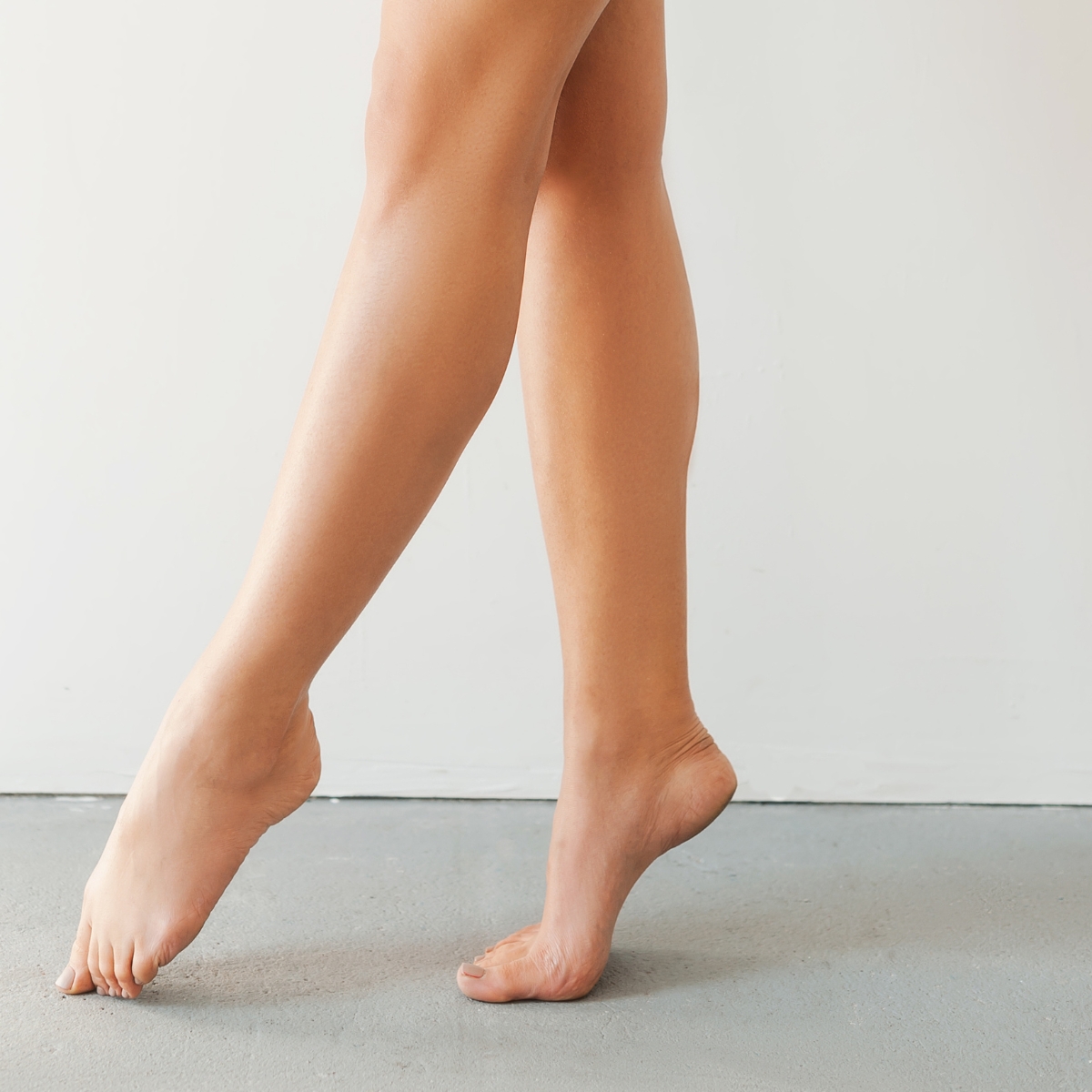
Early standing after limb-lengthening surgery
Date posted: March 27, 2026Early mobilization is standard practice at the Paley European Institute and one of the key factors influencing safety and the pace of recovery following limb-lengthening surgery. It involves beginning to mobilize the patient as soon as possible after surgery—always in a controlled manner and tailored to the patient’s clinical condition.
As early as the first few days after surgery, with the support of physical therapists, the patient begins to perform basic activities: changing position in bed, sitting up, and then transferring to a wheelchair. In subsequent stages, standing is introduced, along with learning to move safely using a walker and crutches. Such early mobilization has a direct impact on the further course of treatment and the quality of recovery.
How does the standing-up process work?
The process of standing up begins during the hospital stay, which typically lasts 3–4 days. During this time, the patient remains under the care of the medical team, and physical therapists work daily to gradually help the patient become more active.
The first stage involves learning to function independently in bed and to transfer safely to a wheelchair and a commode chair. Next, the patient begins standing exercises and learns to maintain a standing position with support. The next step is walking with a walker, and after discharge, transitioning to walking with crutches.
Controlling the load on the limbs is an important factor. During the lengthening process, full weight-bearing on the legs is not permitted—the patient must use crutches or a walker to transfer part of their body weight to the upper limbs. The permissible weight-bearing level depends, among other factors, on the diameter of the intramedullary nail and the patient’s body weight, and is determined individually by the physician.
Why is early standing so important?
Early mobilization significantly reduces the risk of postoperative complications. Regular movement improves circulation, which reduces the risk of thrombosis and supports the tissue healing process. At the same time, it helps maintain joint range of motion and prevents muscle contractures, which are one of the most common problems during limb lengthening.
Staying active from the very first days after surgery also helps maintain muscle strength, which is crucial in the later stages of rehabilitation. Patients regain their independence more quickly and better prepare their bodies for the intensive physical therapy sessions held five times a week throughout the entire lengthening process.
The functional aspect is also significant—patients learn proper movement patterns and how to move safely in their daily lives at an early stage, which leads to greater independence after they are discharged from the hospital.
A personalized approach and supervision by specialists
Each patient undergoes a standing-up process according to an individualized plan developed by a team of doctors and physical therapists. The intensity of the exercises and the pace of progression are continuously adjusted based on the patient’s health, pain level, and progress in rehabilitation.
At the same time, the patient is taught how to safely bear weight on their limbs, use orthopedic equipment, and perform daily activities. Even during their hospital stay, they acquire the skills necessary to function after discharge, when they will need additional support in their daily life for the first few weeks.
This comprehensive approach means that early standing not only speeds up the return to mobility but also enhances the safety of the entire limb-lengthening process.
Check out the other posts

The Lengthening Center on “Dzień Dobry TVN”! A segment on leg lengthening was aired

How can I increase my height?